When a home no longer fits the way you live, the choice is often between remodeling the space you have or adding more of it. Sometimes the answer is both. Either way, a clear scope and a sensible order of work make the difference between a remodel that runs smoothly and one that drags on.
Remodel or add on?
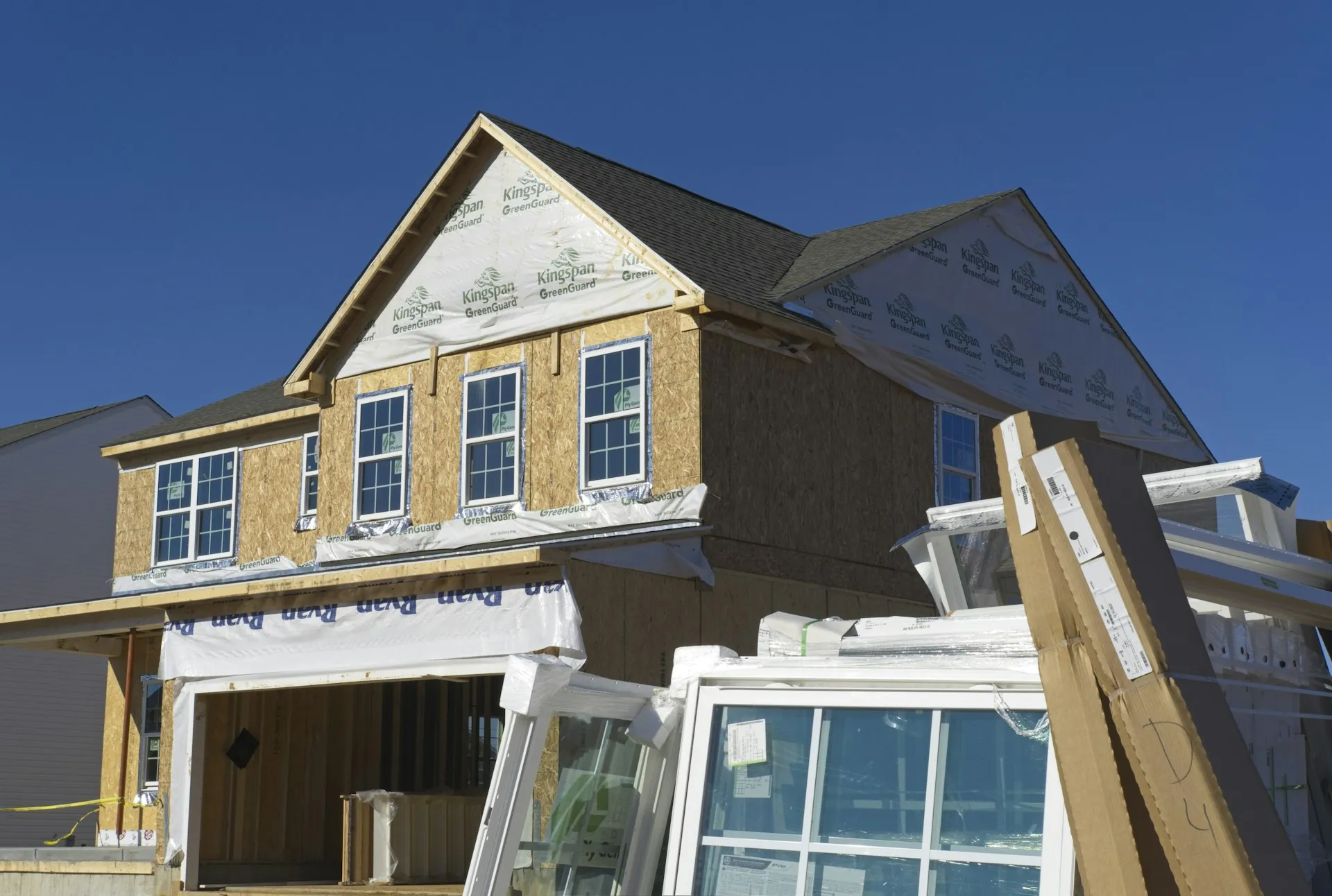
A remodel changes the space inside the existing footprint: new layouts, updated kitchens and baths, opened walls and replaced finishes. An addition extends the home with new square footage, which brings a foundation, new roof lines and a connection to the existing structure.
Some questions that help decide:
- Is the problem the amount of space, or how the space is laid out?
- Does the lot have room to build within the setbacks?
- How much of the budget would an addition's foundation and roof use up compared with reworking existing rooms?
- Will the finished home still fit the neighborhood and hold its value?
Define the scope before anything is torn out
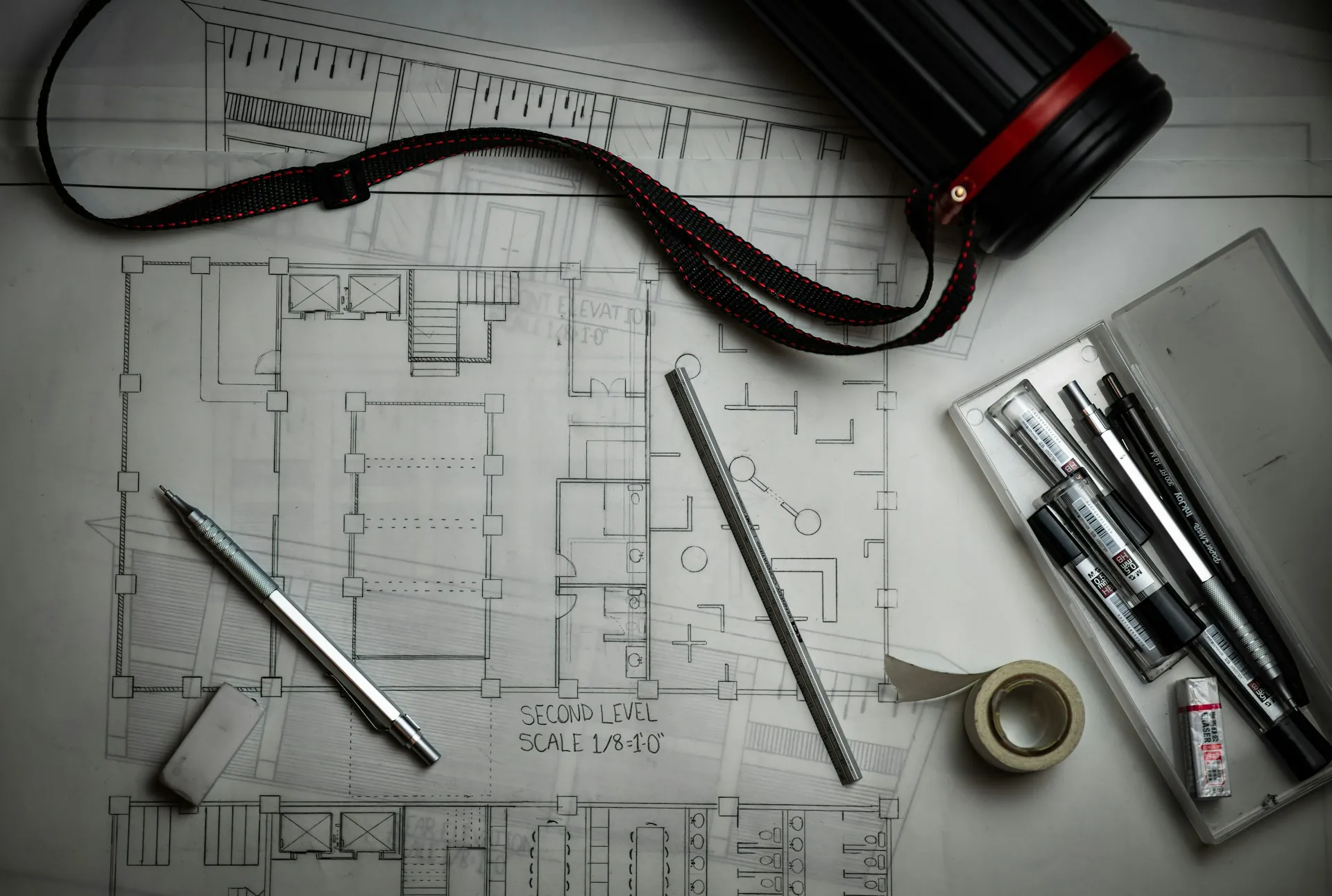
The most expensive remodel is the one that grows as it goes. Walk through every room and write down what changes, what stays and which finishes you want. If walls are moving, an engineer should confirm what is structural. Drawings, even simple ones, give the contractor and the permit reviewer the same picture.
Sequencing the work
A whole-home remodel involves many trades working in a small space. The usual order is:
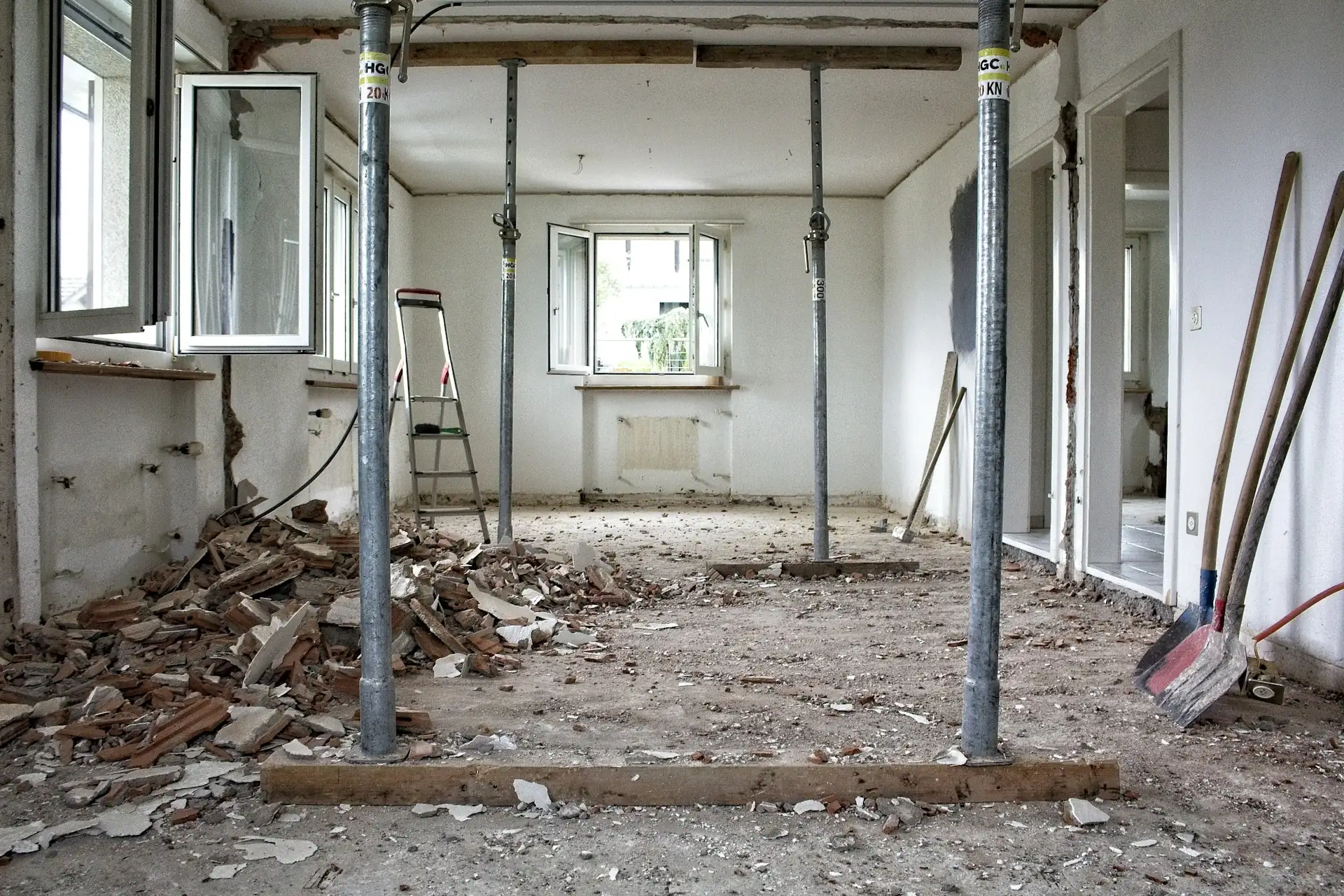
- Protection of floors and areas that stay, then demolition
- Structural changes and framing
- Plumbing, electrical and HVAC rough-in, followed by inspections
- Insulation and drywall
- Cabinets, counters and trim
- Flooring, tile, paint and fixtures
- Final inspections, punch list and cleaning
Each step depends on the one before it. When one trade runs late, the next one waits, which is why coordination between scopes matters as much as the quality of each trade.
Living in the home during the work
Many families stay in the home through at least part of a remodel. Phasing the work, closing off active areas and keeping one bathroom and a basic kitchen setup available can make it manageable. For larger remodels, moving out for the heaviest phase is often faster and less stressful.
Keeping finishes consistent
When a whole home is remodeled, the finishes need to feel like one house, not a collection of separate projects. Choosing flooring, trim, paint colors and hardware together, and ordering them in time, keeps the result consistent from room to room.
The Ramas Contracting team managed a complete remodel of a 3,107-square-foot home in Ocala. Learn more about residential renovations and additions.