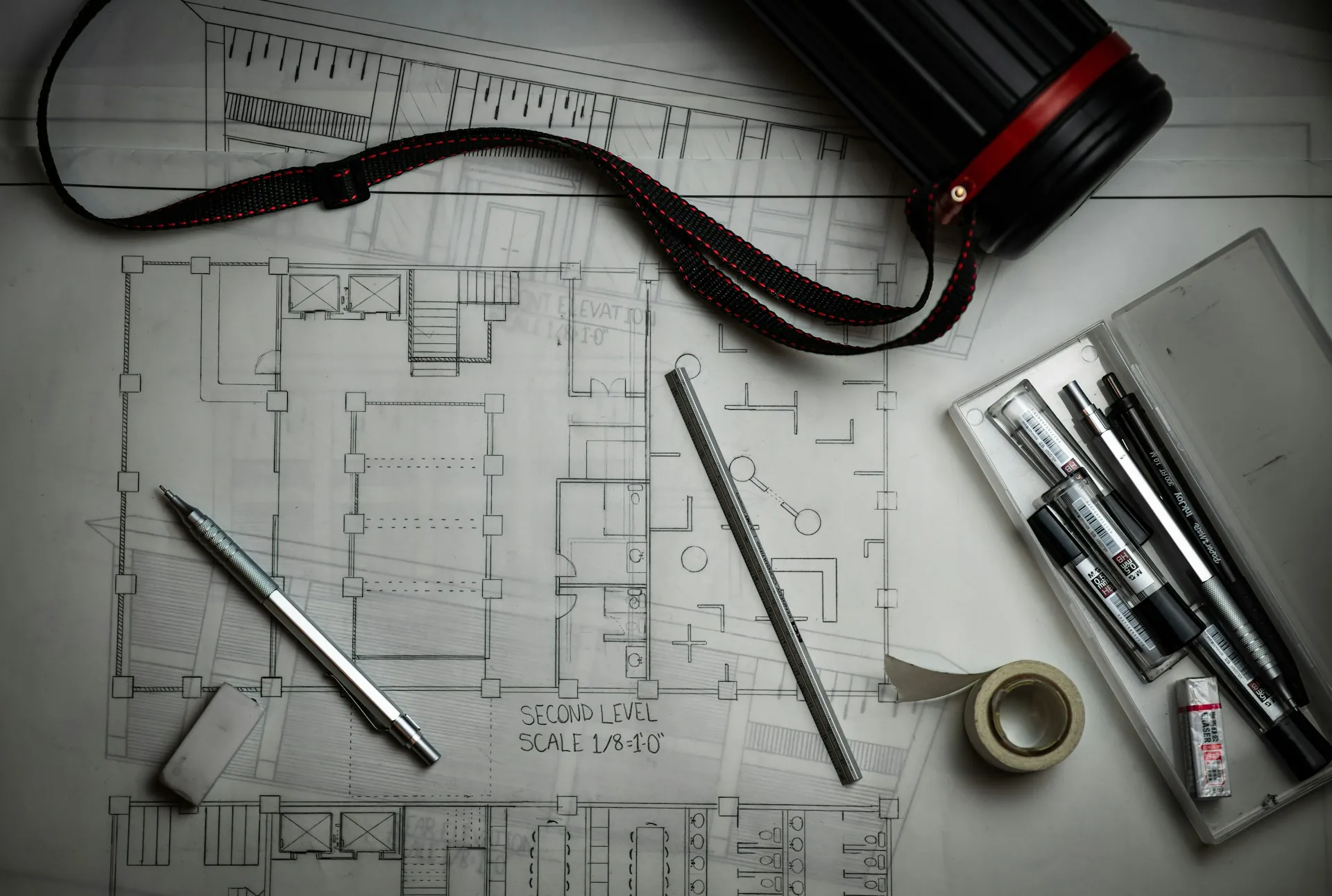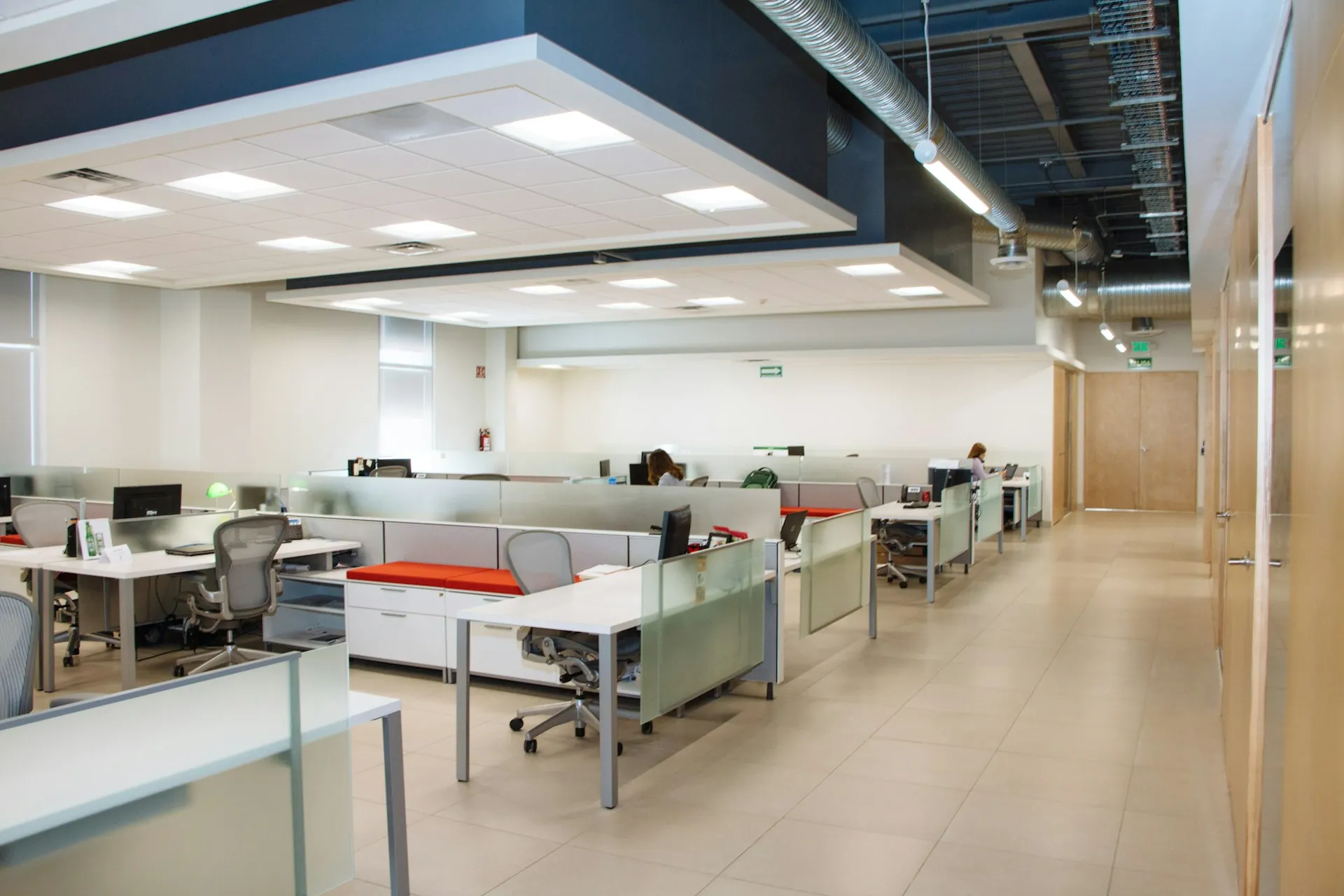
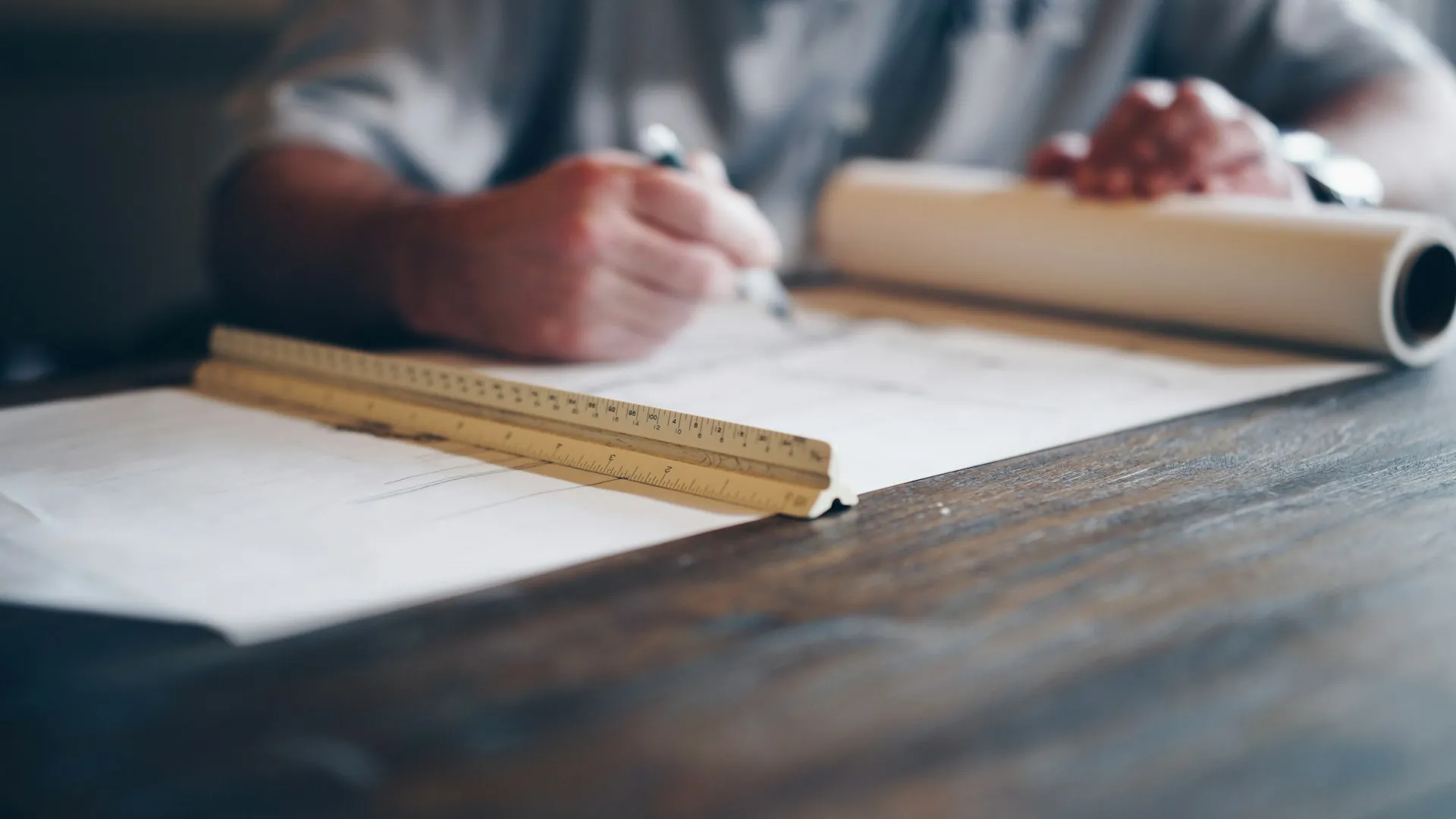
Pre-construction is the planning that happens before anyone breaks ground or picks up a hammer. It is also where most of a project's cost and schedule are really decided. A few weeks of careful planning can prevent months of problems in the field.
What happens during pre-construction
The work varies with the size of the project, but it usually includes:
- Reading the drawings closely for missing information, conflicts between trades and details that will be hard to build
- Writing down exactly what is included and what is not, so everyone prices the same job
- Estimating the cost and comparing it with the owner's budget while there is still time to adjust
- Building a realistic schedule that includes permits, lead times and inspections
- Checking existing conditions, access, utilities and anything the drawings do not show
- Identifying materials and equipment with long lead times so they can be ordered early
Why it saves time
A question answered on paper takes a phone call. The same question found after walls are framed can mean demolition, rework and a delay while the design team responds. Catching conflicts early, such as ductwork running into a beam or a door swinging into equipment, keeps the field moving.
Lead times matter too. Items such as electrical gear, HVAC units, windows and specialty equipment can take weeks or months to arrive. Knowing that during pre-construction lets you order early instead of waiting on site.
Why it saves money
Changes cost the least when they are made on paper. Pre-construction budgeting shows where the money is going while the design can still respond. If the numbers come in high, the owner and designer can look at alternatives before bidding, rather than cutting scope in the middle of construction.
A well defined scope also brings better bids. When every subcontractor prices the same clearly described work, the numbers are easier to compare and there are fewer gaps to fill later with change orders.
What owners can do to help
- Share the most complete drawings available, even if they are not final
- Be clear about the budget and the dates that cannot move
- Make finish and equipment selections as early as possible
- Bring the contractor in before the design is finished
Pre-construction is the first step in the Ramas Contracting process, on both general contracting and construction management projects.